Category
Hyperliquid ETF
Three US spot ETFs hold HYPE, the Hyperliquid token: Bitwise BHYP, 21Shares THYP and Grayscale HYPG, with about $0.45bn between them in October 2026. All three stake part of their holdings. The guides here review each fund, compare staking and fees, and track the flows since launch.
Live Hyperliquid ETF flows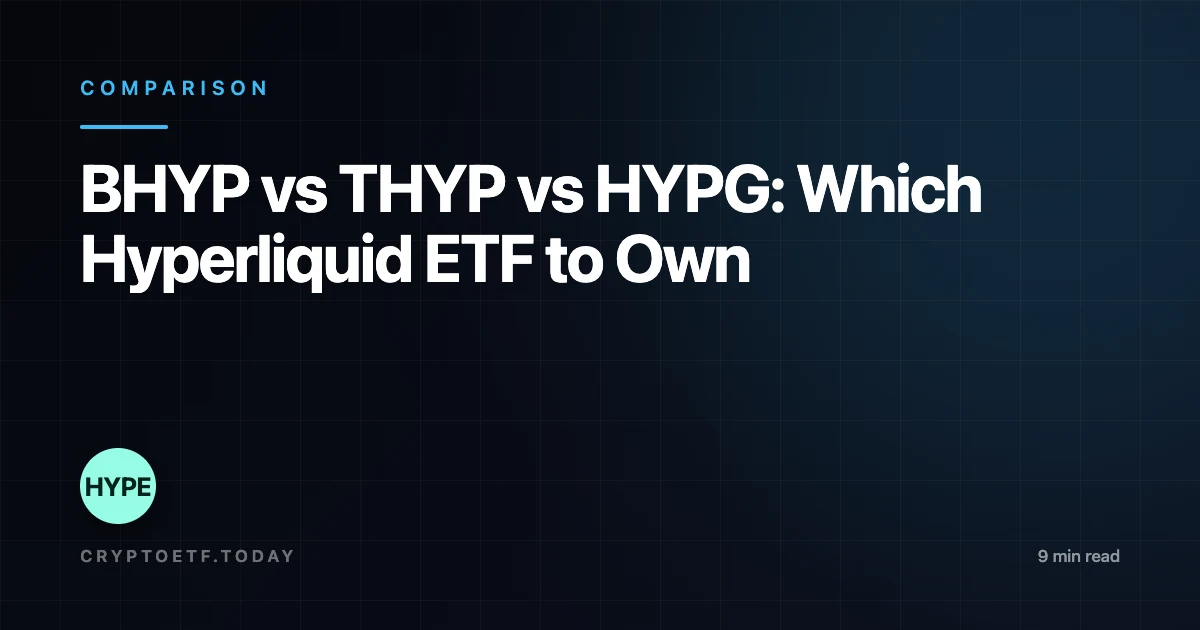
BHYP vs THYP vs HYPG: Which Hyperliquid ETF to Own
Three funds hold the same token at fees of 0.29%, 0.30% and 0.34%. The fee is the least interesting difference: staking arrangements, liquidity and how much of each fund is one seed investor matter more.
21Shares THYP Review: First to List, and the Only One With Options
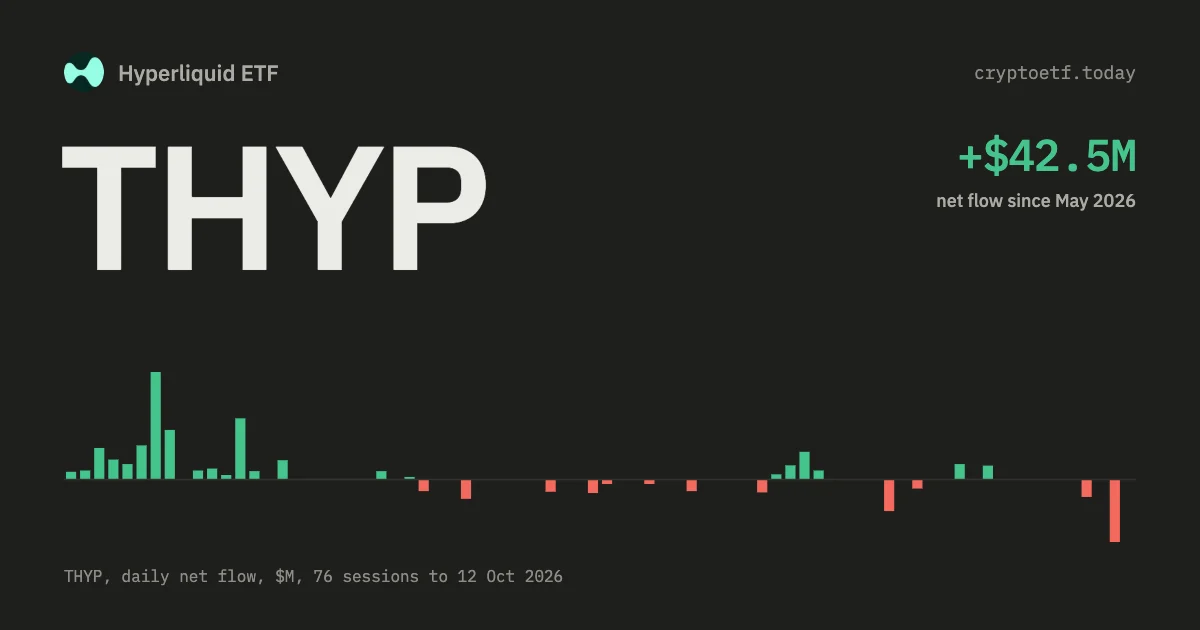
THYP opened the US market for Hyperliquid on 12 May 2026 with $1.2m of first-day inflows, raised $56m in three weeks, then went quiet. It stakes 30–70% through Figment and is the only HYPE fund with listed options.
HYPE ETF or Buying HYPE: Which Actually Costs Less
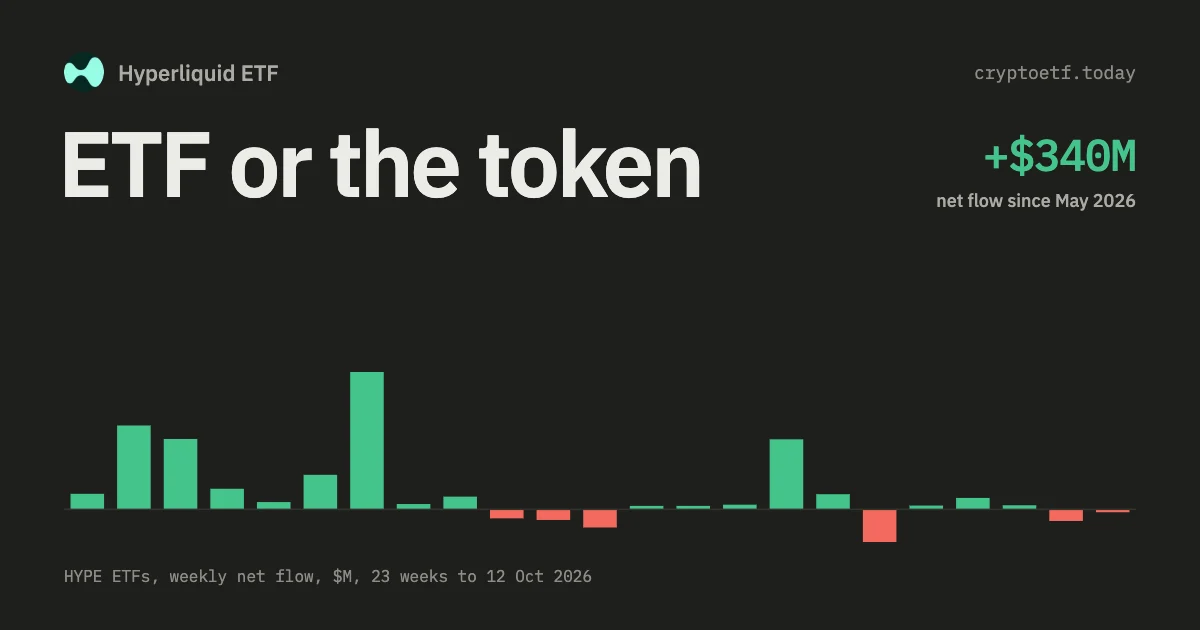
The ETF costs 0.29–0.34% plus a quarter of the staking reward. Holding the token yourself keeps the full 2.2% and unlocks fee discounts up to 40% — and requires a wallet, a seven-day unstaking queue and no retirement account.
How to Read Hyperliquid ETF Flows
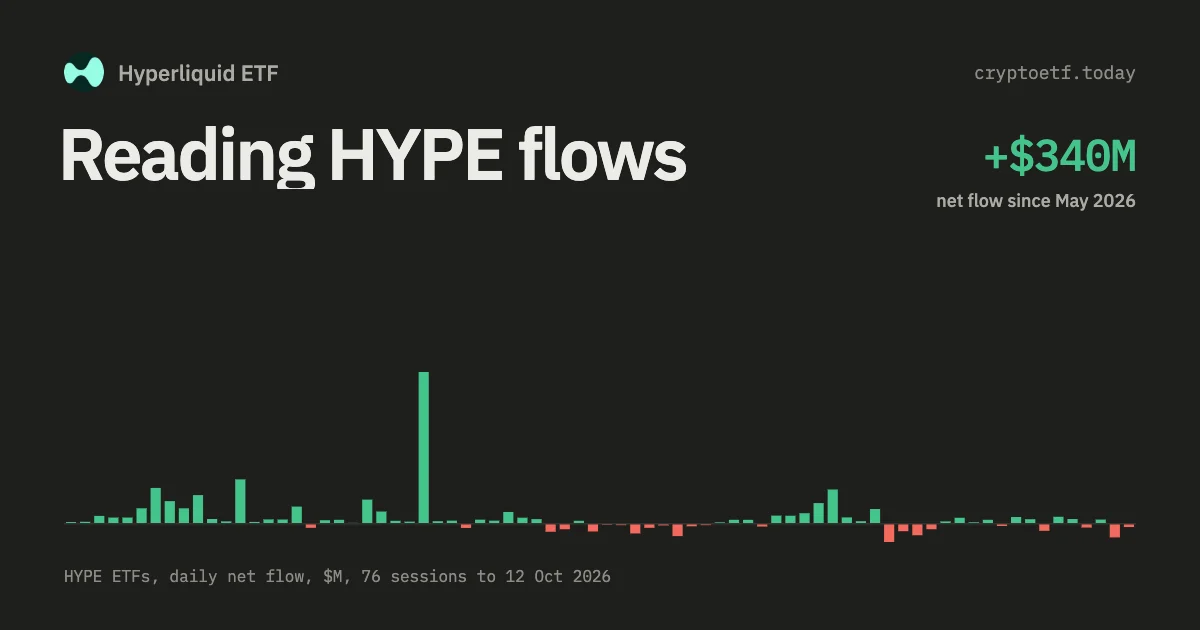
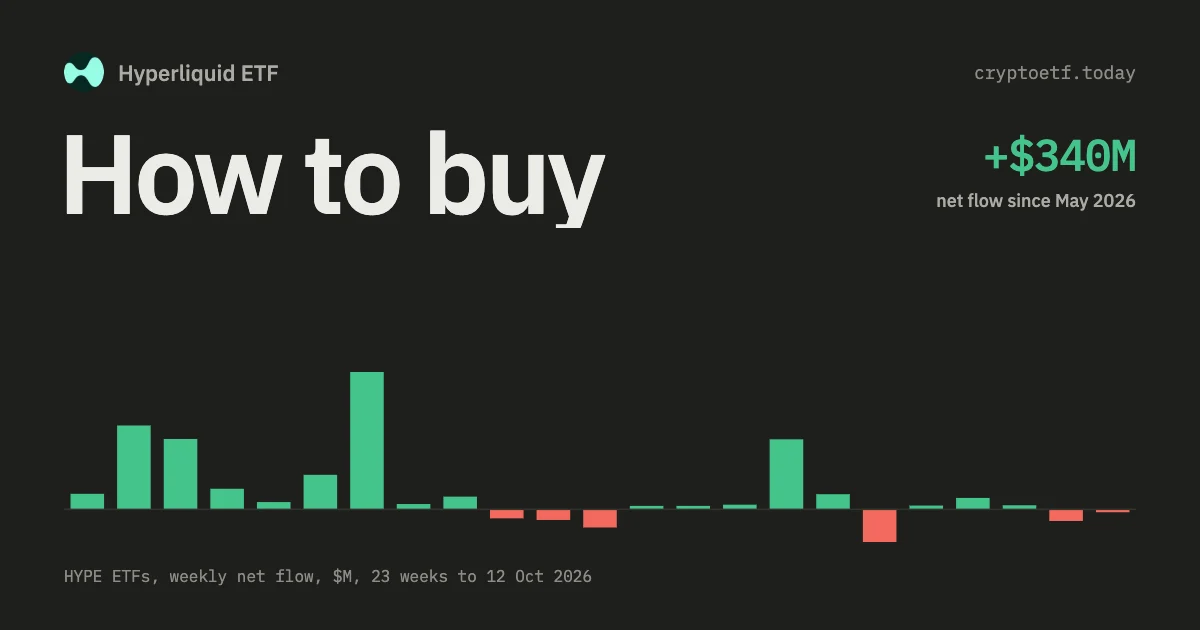
HYPE ETF flows look strange next to Bitcoin: most days print zero, and one day in June accounted for 39% of everything ever raised. Here is how to read a flow series this small without drawing the wrong conclusion.
Hyperliquid ETF Explained: BHYP, THYP and HYPG
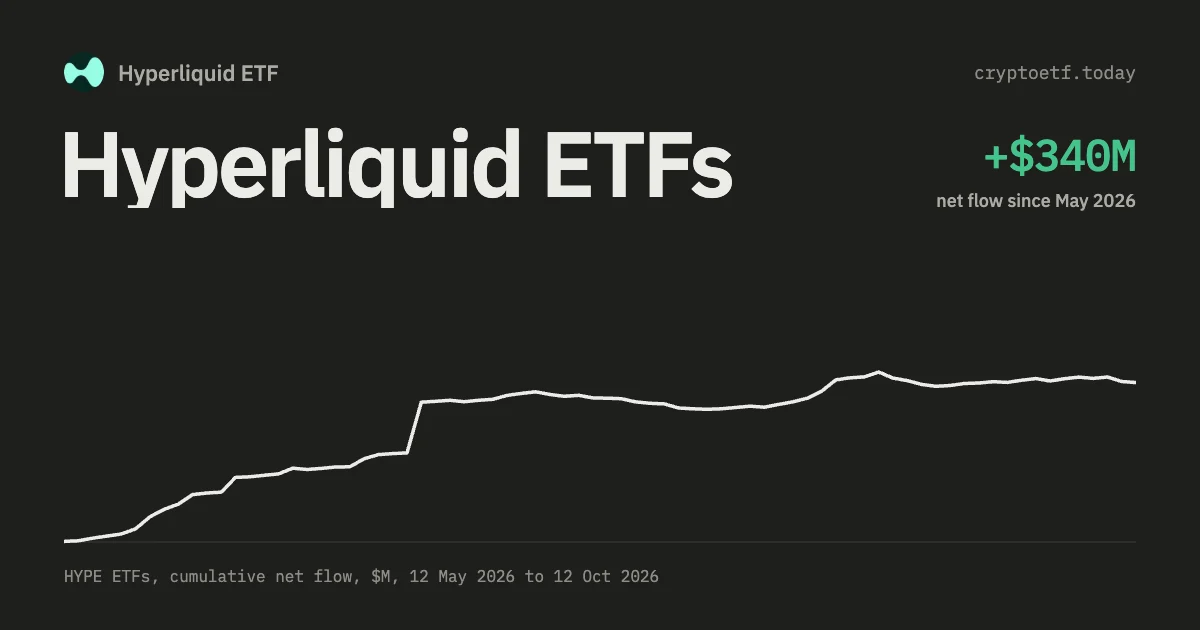
Three spot Hyperliquid ETFs listed in 2026: 21Shares THYP (12 May, 0.30%), Bitwise BHYP (15 May, 0.34%) and Grayscale HYPG (3 June, 0.29%). What they hold, why staking makes them different from a Bitcoin ETF, and how much money has actually arrived.
Hyperliquid ETFs: What the First 100 Days of Flows Showed
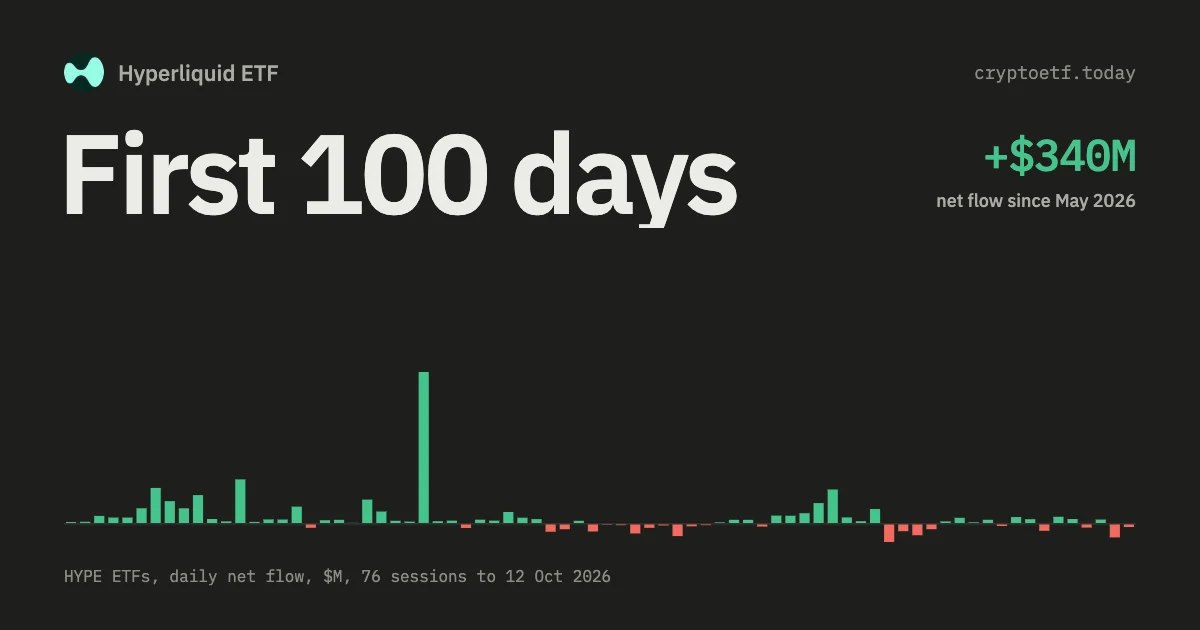
In their first 51 trading days the HYPE funds drew $287.8m — a fraction of what Bitcoin, Solana or XRP managed. But they posted more inflow days than any of them, and the price rose 66% while the flows went negative.
Hyperliquid ETFs Outside the US: Europe, Canada and the Fee Gap
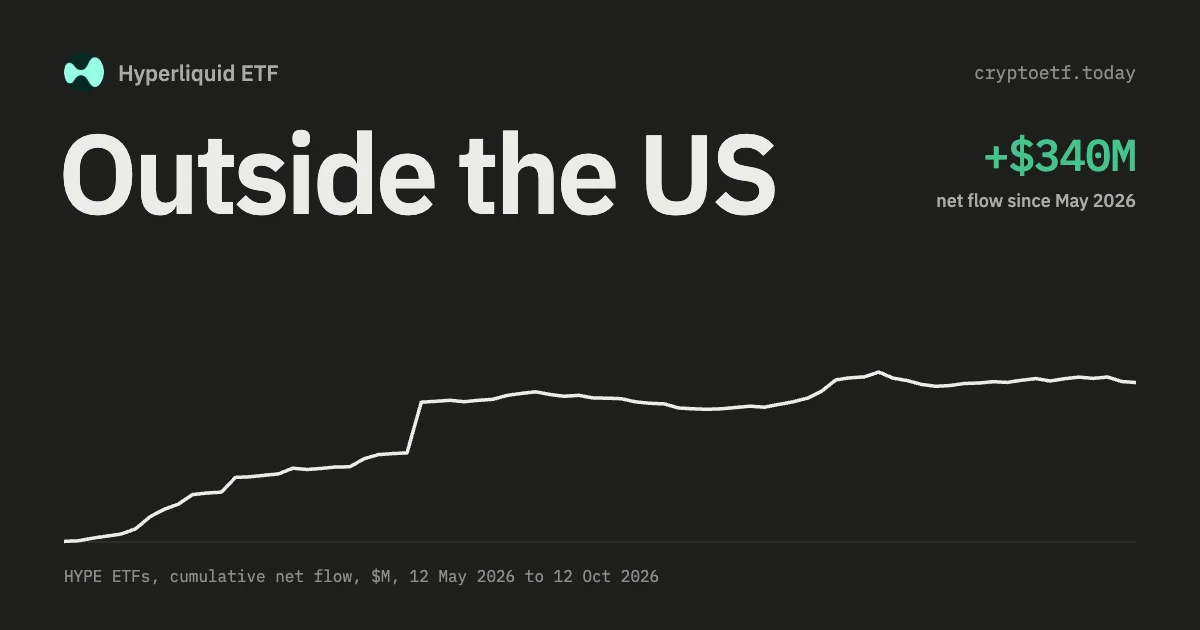
Europe listed a HYPE product nine months before the US did, and charges up to eight times more for it: 2.50% on the Swiss ETP against 0.29% in New York. Canada has nothing listed at all.
Bitwise BHYP Review: The Hyperliquid ETF That Runs Its Own Validators
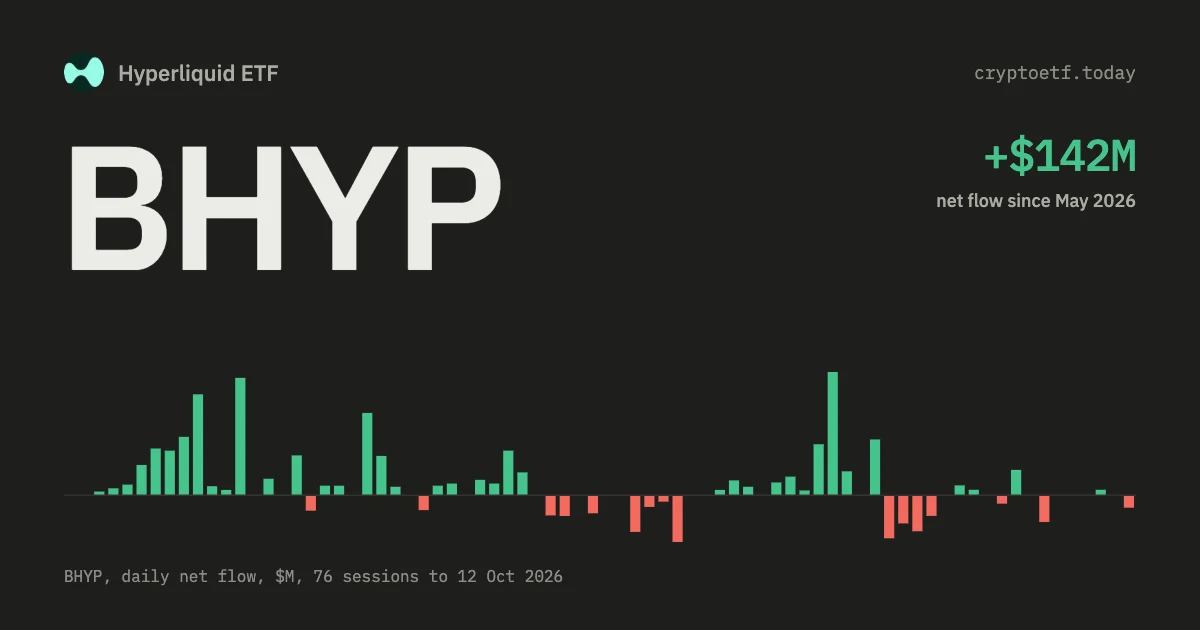
BHYP charges the highest fee of the three HYPE funds at 0.34% and has the most convincing demand: $147.6m of gross inflows across 27 separate days, against $35.9m of redemptions in a rough July.
Grayscale HYPG Review: Cheapest Hyperliquid ETF, One Big Holder
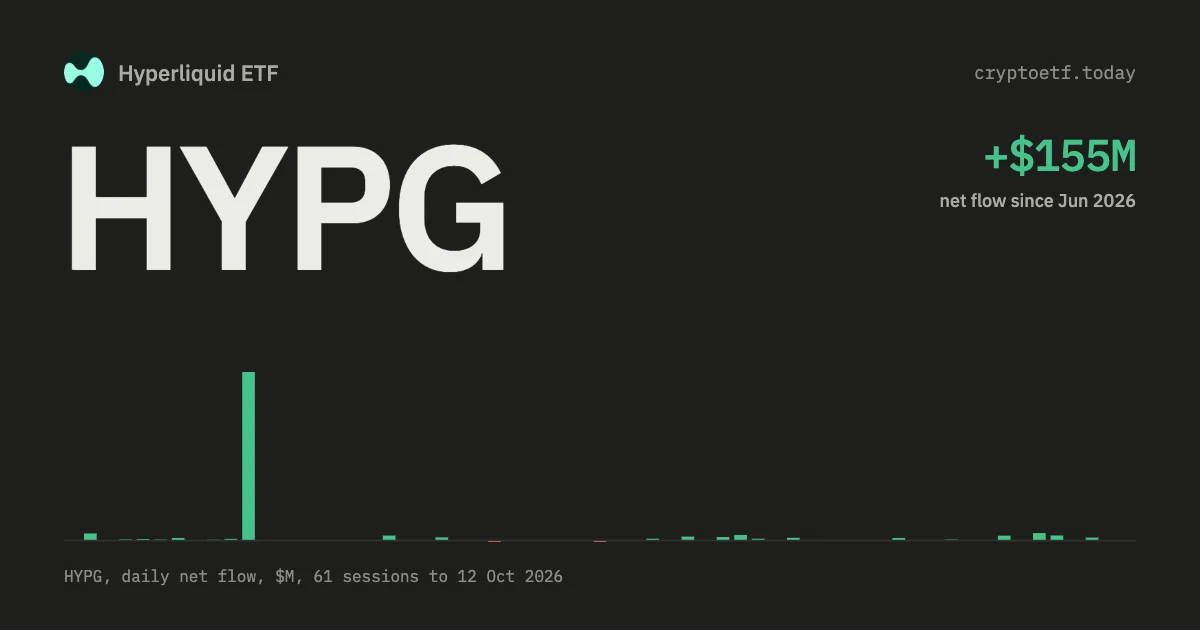
HYPG charges 0.29%, stakes 94% of its assets and pays staking rewards monthly. It also raised 88% of its $128.1m on a single day in June, which makes its size the least informative number about it.
How to Buy a Hyperliquid ETF: A Practical Walkthrough
Buying BHYP, THYP or HYPG works like buying any share, with three wrinkles: the spread on a small fund costs more than the fee, the token trades 24/7 while the fund does not, and IRA access depends on your custodian.
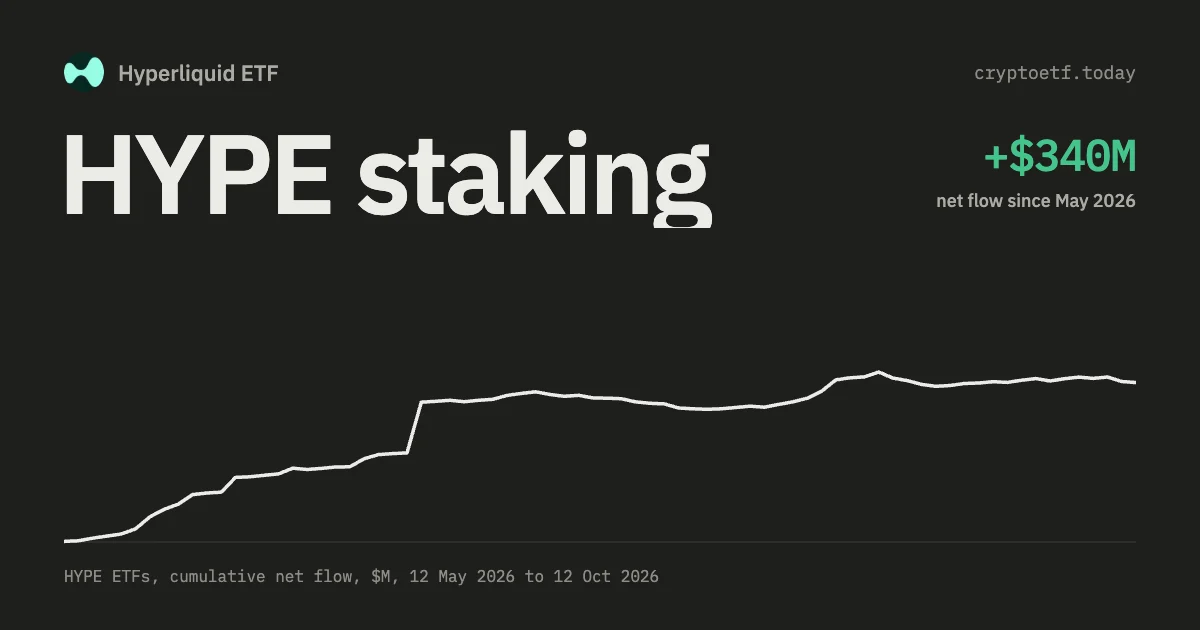
How Staking Works Inside a Hyperliquid ETF
All three US HYPE funds stake the tokens they hold — a structure the SEC refused Ethereum ETFs in 2024. Gross rewards ran 2.23% in August 2026, sponsors keep 25%, and the unstaking queue is the risk nobody prices.
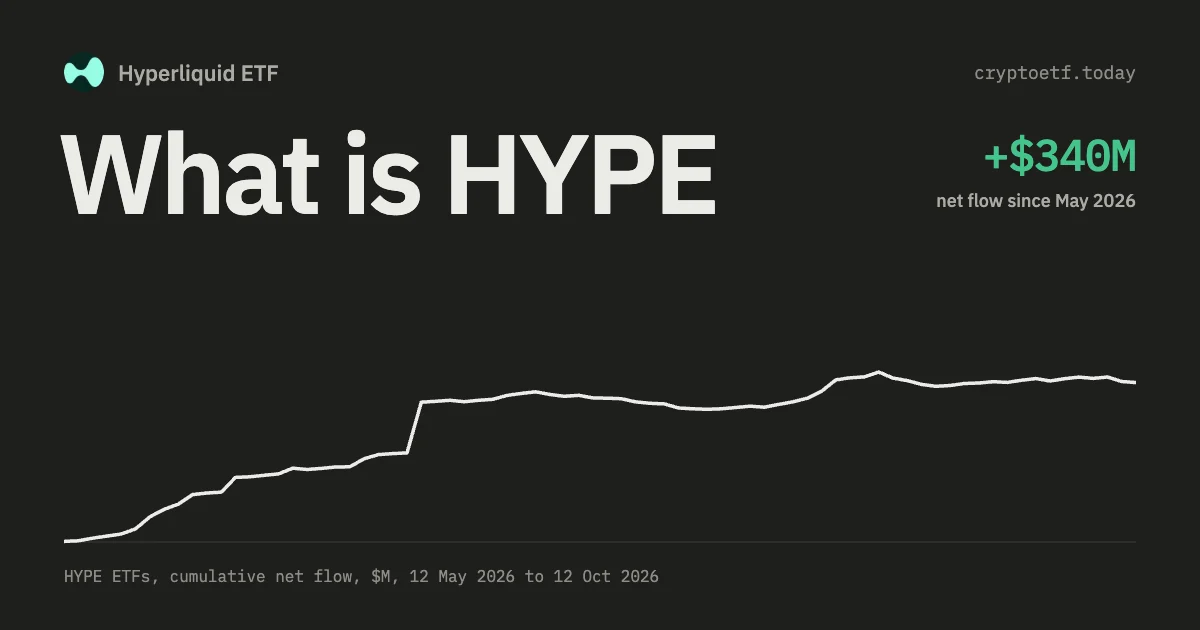
What Is Hyperliquid, and What Does the HYPE Token Actually Do?
Hyperliquid runs an on-chain order book with 0.07-second blocks and no gas on order placement. HYPE launched in November 2024 with no VC round, no private sale and a 31% airdrop, and around 97% of trading fees buy the token back.
Other categories
Explore daily ETF flows
Net flow of each asset on Mon 12 Oct
 BTC
BTC ETH
ETH SOL
SOL XRP
XRP HYPE
HYPE LINK
LINK HBAR
HBAR AVAX
AVAX DOGE
DOGE LTC
LTC SUI
SUI DOT
DOT BNB
BNB NEAR
NEAR TRX
TRX ZEC
ZECSubscribe to newsletter
Get new articles and analytics directly to your email